Why Steel Pipe Dimensions Matter in Industrial Design
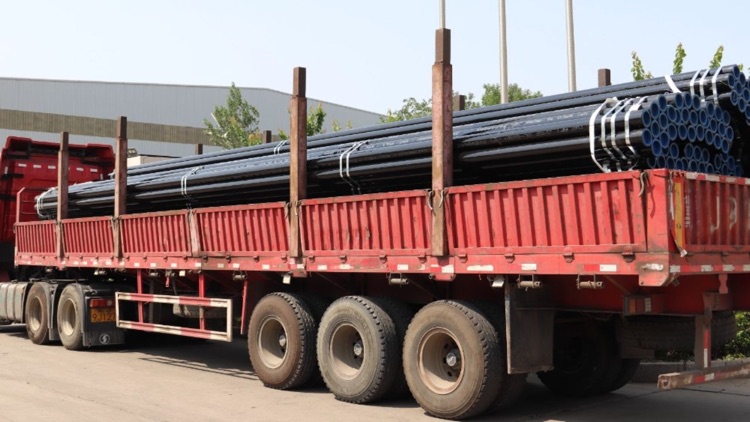
The dimensions of steel pipes are a key aspect of industrial design because it has a direct impact on the performance, safety, and efficiency of the pipeline system in the real conditions of operation. Outer diameter (OD), inner diameter (ID), wall thickness, and length of the pipe are mostly incorporated in these dimensions. Engineers working in the industrial sector, like in the oil and gas industry, water supply, building, and manufacturing, use such measurements to ensure that they design a safe, compatible, and efficient system. Incorrect understanding or selection of the steel pipe dimensions can lead to operational inefficiencies, structural issues, and increased project costs.
Ensuring Proper Fit Between Pipes and Components
Correct fitting is one of the primary reasons why the dimensions of steel pipes are important. Pipes should fit properly with valves, flanges, elbows, and other fittings.
Even minor deviations in diameter can result in:
- Improper joint alignment
- Leakage at connection points
- Mechanical stress on fittings
- Installation rework and delays
By applying appropriate pipe sizes, engineers will have an easy time assembling the pipes and making connections throughout the system.
Impact on Flow Capacity and Efficiency
Pipe dimensions have a direct impact on fluid and gas flow behavior within a system.
- Inner diameter (ID) determines flow capacity
- Wall thickness influences resistance and pressure handling
An undersized pipe can lower the efficiency of the flow and cause a pressure drop, and an oversized pipe can be expensive and not very useful. Industrial designers pay close attention to the pipe dimensions to achieve a balance between the flow rate, energy consumption, and system operation.
Influence on Pressure Handling and Safety
In industrial society, fluids that run at high pressure are often transported in pipes. The thickness of the wall is an important dimension since it defines the pressure that can be safely allowed to be carried by a pipe.
- Thicker walls improve pressure resistance.
- Proper dimensions increase structural reliability.
- Incorrect sizing can lead to pipe deformation or rupture
This may cause severe safety risks in the oil refineries, chemical plants, and power stations industries. Appropriate selection of dimensions contributes to the safety and reliability of systems.
Effect on Material Cost and Project Budget
Steel pipe dimensions also significantly affect project cost and procurement planning.
- Larger diameters and thicker walls increase material cost
- Weight variations impact transportation and handling costs
- Incorrect estimation can cause budget overruns
In major industrial undertakings, minor alterations in size can cause a major variation in cost. Dimensions should be looked at by engineers and procurement teams to ensure that they spend money on what is required without any form of waste. Selecting an appropriate size will ensure a balance between budget efficiency and performance.
Importance of Structural Strength and Durability
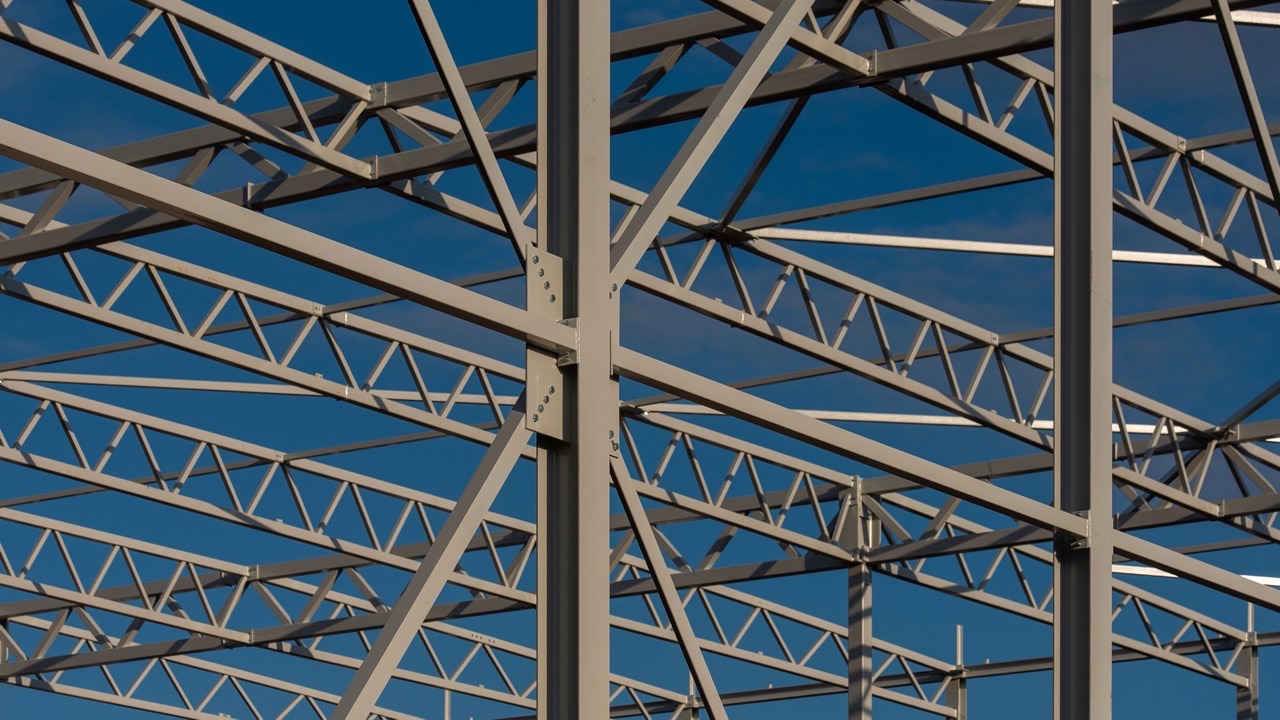
Steel pipes serve purposes such as fluid transportation as well as structural support in most industries. Whereas dimensions in such cases dictate the strength and stability of the structure. The bigger and heavier pipes can support heavier loads and withstand outside forces. Structures can be weak or lose their stability with time as a result of poorly chosen dimensions. This is particularly relevant in the construction industry, offshore platforms, and heavy industrial structures.
Role in Standard Compliance and Compatibility
Industrial piping systems should comply with the international standards, such as the ASTM, API, or EN. These standards specify the range of dimensions to provide compatibility and safety. Unless the pipe sizes are of normal dimensions, they could fail to fit other components of the system or be inspected. Engineers make use of standardized dimensions to make sure that the materials supplied by various suppliers can be used without problems. This enhances uniformity and minimizes mistakes in big projects.
Impact on Installation and Maintenance
This is also due to the ease of installation and maintenance of the correct steel pipe dimensions. The pipes that were measured correctly fit easily during installation, consequently minimizing the time spent working on the assembly of pipes and installation mistakes. Standard dimensions enable one to easily replace damaged parts during maintenance without having to alter the complete system. Alternatively, improper dimensions may lead to time wastage, reworking, and increased maintenance expenses. Correct dimension planning enhances the efficiency of the project.
Pipe Dimension Impact Table
Conclusion
The dimensions of steel pipes are also a consideration of the industrial design as they influence the safety, performance, cost, and durability. The proper sizing of each component of a pipeline system is essential to operate properly under actual working conditions. Dimensions impact all the phases of design and operation, whether it is flow efficiency, pressure handling, or structural strength. Proper selection and knowledge of pipe sizes can enable engineers to develop effective, safe, and economical industrial systems.